
The Color Psychology Behind Casino Design
Color plays a vital role in creating an emotional atmosphere within casinos. Research suggests that certain colors can stimulate excitement and enhance mood, persuading players to stay longer. For example, red is often used in gaming areas as it evokes passion and urgency, while softer colors like yellow can evoke happiness and relaxation. This careful consideration of color schemes is a fundamental aspect of casino design that influences players’ psychology and their desire to continue playing, especially at an online casino that accept neosurf where the experience can be further enhanced.
Moreover, the layout of a casino is intentionally designed to draw players deeper into the establishment. Brightly colored gaming machines are strategically placed near entrances and throughout the floor to captivate the attention of incoming visitors. The use of lighting in tandem with colors can create a vibrant and immersive atmosphere, making it difficult for players to resist the allure of the games. By engaging players visually, casinos effectively encourage them to lose track of time and remain engaged in the gaming experience.
Additionally, the environment in a casino is often supplemented by stimulating sounds and music that further enhance the psychological effect of the colors. The sounds of coins cascading from machines, the ringing of jackpots, and upbeat music create a sensory experience that can amplify excitement and anticipation. This results in a potent combination where color, sound, and atmosphere work in harmony to keep players engaged and eager to continue their gaming sessions.
The Illusion of Control and Gamification
Casinos capitalize on the psychological principle known as the “illusion of control.” This concept suggests that players believe they can influence the outcome of certain games, even in situations that are purely based on chance. For instance, games like blackjack and poker, which require skill and strategy, allow players to feel empowered in their decision-making. This perceived control can lead to longer play sessions, as individuals are more likely to engage in activities where they feel they have a say in the outcome.
Furthermore, many games incorporate elements of gamification, which adds layers of interaction beyond mere luck. Players who participate in these interactive experiences tend to have higher engagement levels. These features might include progress tracking, achievements, and player-versus-player competitions. Such elements tap into intrinsic motivations, encouraging individuals to keep playing as they strive for personal goals and recognition within the gaming environment.

The psychological benefits of feeling in control and competing against others can be immensely powerful. When players believe they have the ability to influence the results of a game or achieve higher status among their peers, they are likely to invest more time and money into gaming. As they chase wins or strive to improve their skills, the overall experience becomes more immersive, leading to prolonged engagement and participation.
The Role of Rewards and Reinforcement
Casinos have mastered the art of reward systems to keep players engaged. Using the concept of positive reinforcement, casinos create frameworks where players are frequently rewarded, whether through small wins or loyalty programs. The immediate gratification of winning—even if it’s just a small payout—can foster a desire for continued participation, as players chase the thrill of another win. This system draws players into a cycle where the expectation of reward keeps them hopeful and engaged.
Moreover, the implementation of tiered loyalty programs can further entice players to return. As individuals accumulate points or rewards, they may find themselves motivated to continue playing in order to reach a higher tier that offers even greater benefits. This tactic plays into the psychological aspect of commitment, where players feel a sense of investment in their loyalty status and are less likely to abandon their pursuit without maximizing their rewards.
The frequency of small wins, coupled with the anticipation of the potential for larger jackpots, creates a rollercoaster of emotions that keeps players hooked. The psychological impact of intermittent reinforcement significantly contributes to the attraction of casino gaming. Players may not only seek the thrill of winning but also experience the emotional highs associated with chasing their next reward, making it difficult for them to leave the gaming environment.
The Role of Social Interaction
Casinos are strategically designed to facilitate social interaction, knowing that humans are inherently social beings. The placement of games and seating arrangements encourages camaraderie among players, which can enhance their overall experience. Engaging with fellow players can create a sense of community, leading individuals to stay longer as they share in the highs and lows of the gaming experience. This interaction can be rewarding in itself, adding another layer of engagement that casinos leverage.
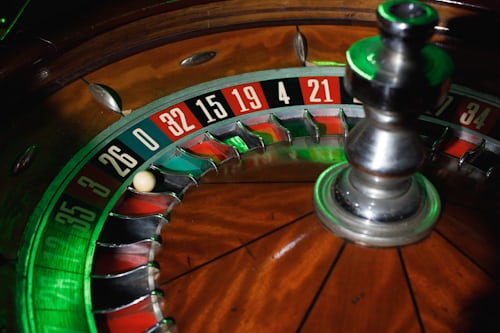
Additionally, the presence of dealers, hosts, and even bartenders can foster a friendly atmosphere that makes players feel valued and welcome. The socialization aspect can invoke feelings of belonging, encouraging individuals to prolong their stay in hopes of enjoyment and connection with others. Many players are drawn to the social element of table games, where the combination of strategy and interaction can heighten the overall excitement of the experience.
The social dynamics within casinos can also lead to a phenomenon known as “group think,” where individuals are influenced by the actions and emotions of those around them. If players are winning or experiencing excitement, it can create an infectious atmosphere that motivates others to join in and stay longer. This collective energy can significantly impact decision-making and the length of time players choose to engage in gaming activities.
Website Overview and Conclusion
Understanding how casinos use psychology to keep players engaged reveals a fascinating intersection between design, reinforcement, and human behavior. Casinos are not merely establishments for chance; they are meticulously crafted environments that leverage psychological principles to create captivating experiences. By recognizing the strategies employed by casinos, players can gain greater awareness of their behavior and motivations when participating in gaming activities.
The insights gained from exploring these psychological tactics serve as an opportunity for individuals to make informed choices while gaming. Whether seeking fun or entertainment, being aware of how environments influence decisions can empower players to engage in gaming responsibly. Ultimately, every casino operates within this complex psychic landscape, and acknowledging these dynamics can lead to a more meaningful and enjoyable gaming experience.
Moreover, exploring the psychological tactics casinos employ can enhance one’s understanding of personal gaming habits. By recognizing how factors such as color, social interaction, and reward systems influence behavior, players can cultivate a more balanced perspective on their gaming experiences. It encourages mindful participation, fostering both enjoyment and awareness in the vibrant world of casinos.

